Building Artificial Roofing That Integrates Appeal and Climate Resistance
The roof discussion has altered a fair bit over the last years. Property owners still respect aesthetic allure, resale value, and just how a roof covering complements block, rock, stucco, or cedar house siding. But weather condition has come to be a much larger part of the choice. Hailstorm, freeze-thaw cycles, hefty rainfall, wind uplift, ice dam danger, and significantly sharp temperature level swings have actually pressed lots of purchasers to look beyond standard materials. That is where building artificial roof has actually made genuine attention.
For the right home, a synthetic roof can deliver a look that feels upscale and traditionally appropriate while dealing with harsh problems with even more consistency than lots of natural products. I have seen homeowners fall in love with the appearance of slate or hand-split cedar shake, after that step back as soon as they understand the weight, upkeep demands, and setup complexity. Costs artificial roofing commonly goes into the picture at exactly that minute, when look still matters, however efficiency begins to drive the decision.
This is particularly real in markets with 4 distinct seasons and requiring tornado patterns. In places where winter months can be punishing and summertime tornados struck hard, property owners desire a roof that looks fine-tuned without becoming an upkeep job every couple of years. That balance, beauty plus strength, is the reason synthetic roof coverings have moved from particular niche choice to serious contender.
Why artificial roofing has gained traction
Traditional roofing products still have their area. Natural slate remains among the most attractive roof items ever before utilized on a residence. Cedar shake has warmth and measurement that is challenging to replicate. Clay ceramic tile brings distinct character. Yet each of those materials includes compromises. Weight is commonly the first problem. Fragility, maintenance, specialized labor, and repair matching are close behind.
Architectural synthetic roof was established to address those issues without producing a flat, plastic-looking result. The far better items on the market are formed with deep appearance, varied edges, and shade blends that resemble all-natural products remarkably well from the road and, sometimes, from simply a few feet away. Not all items are equal, and experienced eyes can tell the difference in between entry-level and exceptional artificial roofing. Still, the top tier has come a lengthy way.
Homeowners checking out residential artificial roofing are usually trying to solve one of three issues. They desire the appearance of slate or shake without the architectural tons. They want a more weather-resistant choice to wood. Or they are replacing a roofing system on a custom-made home and desire something that fits the design without locking themselves into fragile materials.
That last classification is expanding. Synthetic roof for deluxe homes is no longer treated as a compromise. On several homes, it is the intentional choice.
The visual appeal is much more sophisticated than several expect
One of the largest misunderstandings regarding synthetic roof roof shingles and floor tiles is that they all look clearly made. Some do. Normally, those are lower-cost products with repeated patterns, shallow texture, and color that really feels painted on as opposed to integrated into the piece. Yet reliable architectural synthetic roofing is different.
Manufacturers now construct products with staggered widths, shadow lines, formed grain patterns, and differed side therapy that create a more all-natural roofscape. That matters more than individuals realize. A beautiful roofing system is not almost shade. It has to do with depth, rhythm, and minor inconsistency. All-natural materials have flaws, and great artificial design recognizes that.
On a large home, especially one with noticeable roof covering aircrafts, dormers, turrets, or steep slopes, visual repeating can spoil the result. A premium artificial roof product prevents that toy-like uniformity. I have seen synthetic slate on homes with sedimentary rock exteriors where visitors assumed it was quarried stone until they were informed or else. I have actually additionally seen artificial shake on transitional and French country homes that preserved the heat of cedar without the exact same vulnerability to moisture biking and splitting.
The secret is matching the product to the design. A synthetic slate profile may be optimal for a Tudor, Colonial, or rock estate home. A shake profile typically functions better on artisan, lake-style, rustic, and certain contemporary personalized homes. The roofing system ought to reinforce the home's design language, not take on it.
Performance matters most when the weather condition transforms bad
A roofing system can look outstanding on a sunny afternoon and still fall short where it counts. The real test comes during wind-driven rain, freeze-thaw cycles, and impact events. This is where lots of synthetic roof identify themselves.
Quality artificial products are commonly engineered to resist fracturing, moisture absorption, and impact damages much better than numerous all-natural choices. That does not indicate every product is undestroyable. It implies the product is designed with activity, temperature variation, and influence resistance in mind. In chilly climates, that flexibility can be a significant benefit. Weak materials do not forgive a lot when temperatures drop.
In the Chicago area, this comes up frequently. Property owners looking for artificial roof Chicago services are commonly balancing aesthetic goals with useful concerns about hail, winter season snow tons, flashing efficiency, attic air flow, and ice monitoring. A stunning roofing system that does not integrate well with these realities is not a premium selection, no matter what the brochure says.
I have actually strolled roofings in late winter where the material itself was still healthy, however the system had actually suffered since information were hurried. Valley metal was undersized. Ice and water membrane layer insurance coverage was marginal. Ridge vent intake balance was inadequate. Pipeline flashings were poor quality. Artificial roofing installment is successful when the installer treats the roof as a complete assembly, not simply a field of ornamental pieces.
That is one factor picking the right artificial professional roofer matters as much as picking the material.
Lightweight does not indicate light duty
One of one of the most functional advantages of synthetic roofing systems is weight. Natural slate is hefty enough that some homes need structural testimonial or support prior to installment. That can include cost and intricacy promptly. Synthetic alternatives can often attain a comparable visual effect at a portion of the weight.
For older homes or improvements where the existing structure is audio but not overbuilt, this matters. It can make a synthetic roof substitute practical where all-natural slate would certainly be unrealistic. It can additionally minimize strain on framework over time. That does not suggest weight is the only design factor, yet it is a significant one.
Lightweight products likewise have a tendency to streamline transportation, hosting, and managing on the jobsite. That can lower damage throughout installation and make sure building conditions easier to manage. On steep roof coverings with cut-up geometry, chimneys, valleys, and eyebrow information, installer control issues. A product that can be worked easily without continuous damage assists maintain schedule and coating quality.
The installation is where excellent objectives either hold up or fail
A polished example board can make virtually any type of roof item look attractive. What separates a sturdy roof from a pricey frustration is execution. Synthetic roofing installers need to understand design, exposure, fastening demands, accessory compatibility, ventilation, drainage planes, and regional climate demands.
That seems fundamental, but not every synthetic roof covering firm approaches the collaborate with the exact same degree of self-control. Some teams have solid asphalt tile experience yet limited experience with artificial slate or tremble systems. Others know just how to mount the area material but pay insufficient attention to changes, penetrations, and side information. Those are the locations where leakages normally begin.
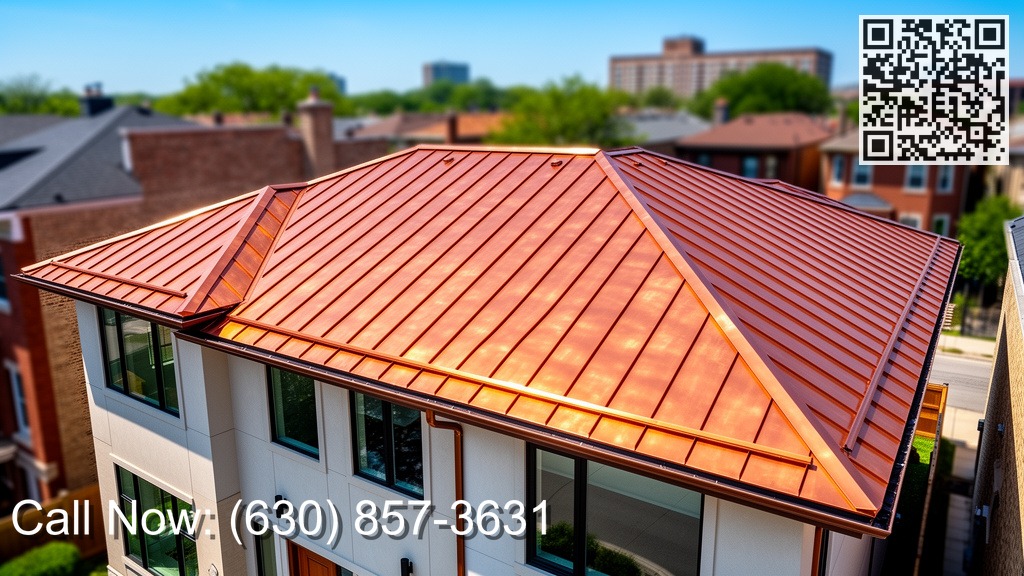
A proper synthetic roofing system installation starts prior to the very first item goes on the roofing. The decking has to be checked. Rotten or delaminated sheathing needs to be changed. Underlayment choice need to fit the home, the slope, and the climate. In cooler regions, membrane layer insurance coverage at eaves and valleys is entitled to unique focus. Blinking details require to be prepared, not improvised.
The cleanest projects normally share a couple of behaviors:
- The installer adheres to the manufacturer's attaching pattern and direct exposure standards exactly.
- The crew mixes item from multiple bundles or pallets to avoid color blocking.
- Flashings, valleys, hips, ridges, and penetrations are dealt with as aesthetic information in addition to waterproofing details.
- Ventilation is examined as component of the roof, not left as an afterthought.
- Final punch work consists of close assessment of trim lines, seal points, and jobsite cleanup.
That may appear straightforward, however these are the details customers remember years later on. A roofing can perform well and still look careless if training courses stray, flashings really feel oversized, or ridge information are improperly proportioned. On a custom-made home, those concerns are very easy to spot.
What homeowners must learn about durability and maintenance
Many purchasers discovering synthetic roofing shingles want one basic response: how much time will it last? The sincere answer depends on the product, the climate, setup top quality, air flow, and just how subjected the home is to severe climate. It is a lot more liable to talk in ranges than absolutes.
Well-made synthetic roofing systems are often designed for lengthy life span and lower upkeep than timber shake. They usually withstand rot, insect damages, and a number of the moisture-related problems that all-natural wood can face in time. Compared with fragile all-natural materials, numerous synthetic products also take care of foot website traffic and subordinate impact better, though no roofing system should be treated casually.
Maintenance is normally lighter, not missing. Particles needs to still be removed from valleys. Gutters still need focus. Overhanging branches still create wear and shade-related wetness issues. Sealers and flashings still age. After extreme storms, inspections are still wise.
One point I often inform home owners is that a low-maintenance roof covering does not imply a no-observation roof. A ten-minute aesthetic check from the ground after a significant tornado can catch issues early, especially if a branch fell or metal trim was affected.
Cost, value, and where the mathematics makes sense
Synthetic roofing is not the bargain-bin choice, and it needs to not be marketed that way. Costs artificial roof covering normally costs more than standard architectural asphalt roof shingles. In most cases, significantly more. But the contrast is frequently wrong from the start. Purchasers generally are passing by in between budget tiles and synthetic slate due to the fact that the objectives are different.
An extra reasonable contrast is in between artificial roof covering and natural slate, cedar shake, or various other architecturally unique products. In that context, synthetic can supply purposeful worth. The product might set you back much less than the all-natural variation, installation can be a lot more efficient, structural upgrades might be avoided, and upkeep needs may be reduced over time.
For house owners preparing to stay long-term, that formula usually works. For high-end resale residential or commercial properties, the visual reward can matter also. A roof occupies a big percentage of the noticeable exterior. It is tough to overstate how much the appropriate roof can boost a home's presence.
Still, trade-offs exist. If a homeowner wants the specific aging pattern, tactile feeling, and historic purity of authentic slate or hand-split cedar, synthetic may not completely replace that experience. It can come very close visually, but it is still a made product. For some buyers, credibility remains the determining aspect. For others, performance wins.
Regional judgment matters, particularly in Chicagoland
Products do not execute in a vacuum cleaner. What works wonderfully in a moderate environment may deal with various tensions in the Midwest. That is why homeowners looking for an artificial roofer Chicagoland ought to prioritize regional experience, not simply basic roof covering credentials.
Chicagoland roof coverings manage wind, snow, ice, sunlight direct exposure, spring storms, and wide temperature level variant. Certain communities additionally have more stringent visual assumptions or homeowners association requirements. In areas with larger personalized homes, such as those where synthetic roof covering Naperville IL questions are common, clients often want a roofing that looks upscale from every angle, including second-story sightlines and neighboring https://cruzaklg790.talesignal.com/posts/artificial-roof-naperville-il-smart-security-for-year-round-extremes properties.
This is where local judgment helps. A seasoned specialist can suggest on profile choice, shade blend, snow retention considerations, underlayment options, and air flow strategy that make good sense for your home and the location. They can additionally identify whether the design of the home would certainly benefit from broader direct exposures, more noticable darkness lines, or even more restrained detailing.
I have actually seen homes enhance substantially when the proprietor moved from a generic shingle mindset to a whole-roof layout state of mind. Material selection entered into the style, not just the upkeep budget.
Questions worth asking prior to you commit
If you are reviewing an artificial roof covering company, the conversation ought to surpass pamphlets and warranty language. Ask the number of comparable tasks they have actually finished. Ask for addresses or images of completed homes with building problems equivalent to yours. Ask that deals with flashing manufacture, just how they handle color mixing on website, and whether they inspect attic room ventilation prior to pricing quote the job.
A couple of smart questions can save a great deal of stress:
- Is the item meant to simulate slate, shake, or an additional material, and does that fit the style of my home?
- What underlayment, blinking, and ventilation upgrades do you suggest for my environment and roof design?
- How does this artificial roofing system replacement compare in weight and maintenance with the material I have now?
- Who will manage the installment, and does the crew have certain experience with this product line?
- What parts of the roofing system are most susceptible if information are rushed or value-engineered?
A professional synthetic roofing contractor should respond to those inquiries clearly, without dispersing into common sales language.
The ideal synthetic roofs really feel intentional, not imitative
The greatest tasks do not try to fool everyone right into thinking the material is something it is not. Instead, they deliver the spirit and aesthetic richness of slate or cedar while accepting the practical advantages of modern engineering. That difference matters.
When architectural artificial roofing is succeeded, the outcome really feels natural. The lines are clean. The texture fits the home. The shade depth supports the exterior combination. The roof handles weather with confidence. Years later on, the owner still suches as taking a look at your home, and they are not bracing for the upkeep surprises that often go along with a lot more delicate natural materials.
That is the genuine charm. Appeal alone is inadequate, and weather resistance alone is inadequate. Home owners desire both. They want a roofing that contributes to the personality of the home on a clear day and holds its ground in the center of a storm.
For numerous buildings, particularly customized homes and high-visibility remodels, synthetic roofing systems now offer among one of the most well balanced answers on the market. With the best item, the ideal installer, and the appropriate attention to system information, they can offer the beauty individuals associate with quaint products and the sturdiness required by modern-day weather condition. That mix is not a pattern. It is good structure judgment.
When Quality Matters
Salvo Architectural Roofing Contractors
566 West 5th Ave Naperville, IL 60563
(630) 857-3631
 Ask ChatGPT
 Ask Grok
 Ask Perplexity
 Ask Claude
 Ask Google AI
 Ask You